








Shipping Protection
$9.95
Everything to get your new ride rolling and keep it dialled — bar assembly, headset compression, and choosing the right bars.
Just ordered a complete? There's only a little to do before you roll.
The only thing you need to do with your new complete scooter is attach the bars. The only tool you'll need is a 5mm or 6mm allen key (depending on your scooter) — you'll find it in the box with your new ride.
Movement in the bars or unusual noises? This is the fix.
As you spend more time riding, you may need to make small adjustments to keep things running their best. If your scooter has developed movement in the bars or is making unusual noises, you likely need to adjust the headset compression. Don't panic — it isn't as tricky as it sounds, and if you get stuck we're happy to help at Scooter Village.
What compression does, and how to tell what you're running.
Every scooter needs a compression system. It's what pulls the fork snugly up into the headtube of the deck — taking out any play, holding the front end together, and letting the bars turn smoothly. The system your scooter runs decides which bar diameter and which clamp you need, so it's the first thing to identify before buying new bars. There are three main styles.
Look at the very top of your forks, just under the bars:
To separate IHC from HIC: standard (31.8mm) bars with a slit and a top bolt is IHC; oversized (34.9mm) bars with a slit on a thicker fork is HIC. If you bought a complete scooter in the last several years, it's most likely IHC.
How it works: an internal shim sits over the fork's steerer tube, and a long compression bolt runs down through the top cap, pulling the shim, bars and fork together. The bars secure on top.
Bars: standard 31.8mm, with a slit. Fork: IHC-specific (slim steerer).
Best for: most riders. It's lightweight, easy to adjust, and found on the majority of complete scooters — the simple, popular default.
How it works: similar to IHC, but an oversize shim is tightened over the fork before the bars slide on top.
Bars: oversized 34.9mm, with a slit. Fork: HIC/SCS (thicker steerer).
Note: not compatible with aluminium bars.
Best for: riders who want the strength of oversized bars without the weight and cost of SCS.
How it works: a tall two-piece clamp does the compressing. The lower half grips the fork and headset, while the upper half grips the bars — no shim, and no bolt running through the top of the bars.
Bars: any bars with no slit (or a slit bar with an SCS adapter). Fork: HIC/SCS.
Best for: the strongest, most solid setup — popular with heavier and street riders. It uses the most parts and is the heaviest option.
Diameter, slit, material and size — how to get the right fit.
Once you know your compression system, choosing bars comes down to four things: diameter, whether they need a slit, the material, and the height and width that suit you.
The external diameter of the downtube that joins onto the scooter.
| Bar diameter | External size | Works with |
|---|---|---|
| Standard | 31.8 mm | IHC and SCS setups |
| Oversized | 34.9 mm | HIC setups and most SCS setups (requires an oversize clamp) |
Bars for IHC and HIC need a slit cut in the bottom of the downtube — this lets the clamp squeeze the bar closed onto the shim and fork.
Bars for SCS must not have a slit, because the SCS clamp grips the full circumference of the bar. If your bars have a slit but you run SCS, you can use an SCS bar adapter.
Alloy (steel / chromoly) — the most common and cost-effective option, and the strongest, but the heaviest. Available in either standard or oversized diameters.
Aluminium — a noticeable weight saving. Because of the manufacturing process used for strength, aluminium bars have a standard inner diameter but an oversize external diameter. That makes them compatible with IHC and SCS (using an oversized clamp), but not compatible with HIC.
Titanium — the lightest of all, at a higher price. Titanium bars are oversized, so they suit SCS, and work with HIC and IHC using an oversized clamp (IHC will also need an oversize shim).
Which bars work with which compression system.
| Bars | Diameter | IHC | HIC | SCS |
|---|---|---|---|---|
| Alloy — standard | 31.8 mm | Yes | No | Yes |
| Alloy — oversized | 34.9 mm | No | Yes | Yes |
| Aluminium | Std ID / 34.9 OD | Yes — oversize clamp | No | Yes — oversize clamp |
| Titanium | Oversized | Yes — oversize clamp + shim | Yes | Yes |
The final feature is the height and width that suits you, which comes down to your size and riding style. Many riders start somewhere around waist height and roughly shoulder width, then adjust to preference — but if you're unsure, head over to our scooter size guide for tailored guidance.
Measuring your current bars is a great reference point when choosing a new size. And if needed, we can cut bars down to size before we dispatch them — just let us know what you need.
Bring it into our Coopers Plains workshop or call (07) 3172 1840 — we'll identify your compression and get you the right parts.
Ask the team
Simple instalment plans available instantly at checkout
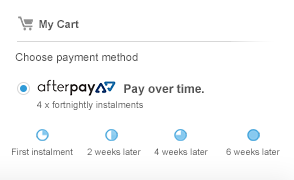

Use your existing debit or credit card

No long forms, instant approval online

Pay fortnightly, enjoy your purchase straight away!
All your need is:
1) An Australian Visa or Mastercard debit/credit card; 2) To be over 18 years of age; 3) To live in Australia
To see Afterpay's complete terms, visit https://www.afterpay.com.au/terms
© 2026 Afterpay